The speed at which data moves through a partner network directly dictates the commercial bottom line. In B2B real estate distribution, value is measured not just by architecture, but by how seamlessly the market can interact with a developer's stock. When the flow of information relies on manual steps, developers routinely lose transactions to more agile competitors.
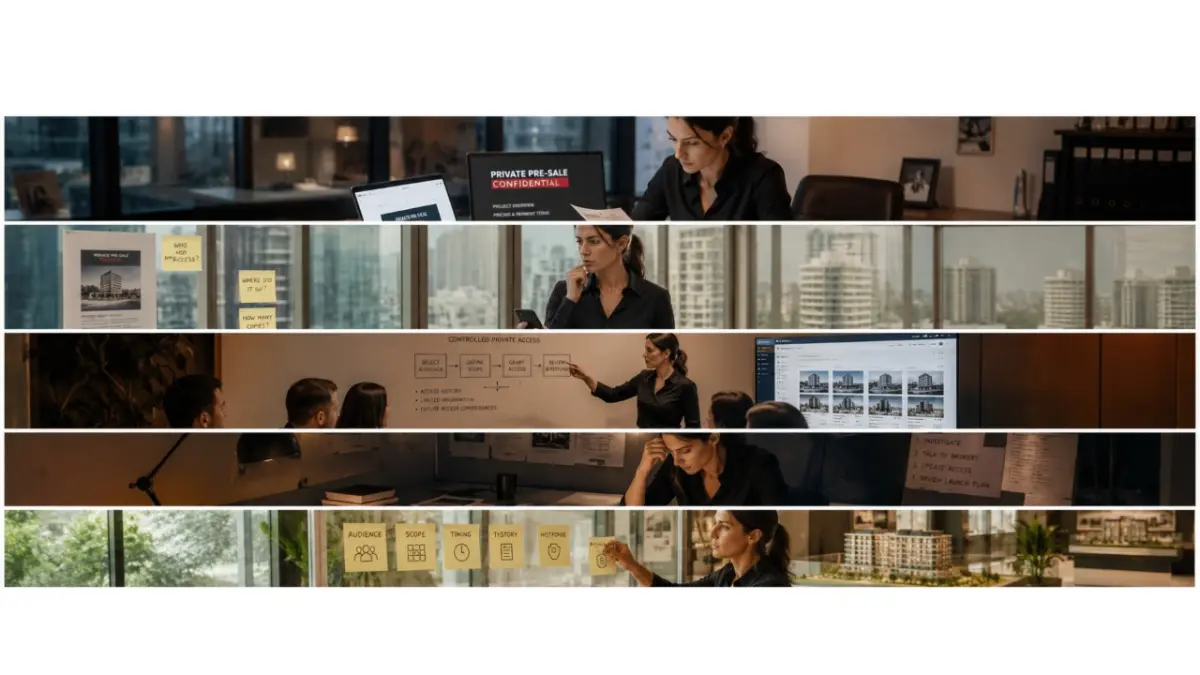
Thursday brought a deep operational realization for Kostas. Following a double-booking incident earlier in the week, he spent the day digging into market data, mapping his own sales timeline against a virtually identical project nearby.
Tracking the Competitor
A competing developer had launched a remarkably similar residential project almost simultaneously with Kostas’s development. The location, specification tier, and pricing structure were identical. Yet, the performance metrics revealed that the neighboring development was selling out three times faster.
Kostas struggled to find a logical explanation. He knew his visuals were sharper and his brand identity was more polished. Nevertheless, the independent broker network was consistently funneling transactions to the other site.
The answer had nothing to do with marketing collateral—it was an issue of data velocity. Kostas began tracing the step-by-step reality of evening client consultations, where the majority of reservation decisions are actually made.
Closing Over Dinner
High-value investment decisions are frequently finalized in relaxed, after-hours settings—often while a buyer is having dinner with their broker. This brief window, when a client is emotionally ready to lock in a unit, is the absolute peak of the conversion funnel.
During these critical moments, an agent working with the competitor simply opened a tablet. Because that developer's stock was automated, the broker could view verified pricing, confirm availability in real time, and secure the unit instantly. The entire process took less than a minute.
But when Maria or any other top broker tried to present Kostas’s development, the momentum stalled. His inventory chart lived in a localized spreadsheet, and his internal sales team was offline for the night. The broker was forced to tell the client: "The development is excellent, but I’ll have to wait until tomorrow morning to confirm live availability with Kostas."
Overnight, the investor’s urgency cooled, schedules shifted, or they simply committed to the competitor's guaranteed inventory.
Friction as a Hidden Expense
The competitor's edge wasn't a better product—it was the total elimination of transactional friction. That speed transformed directly into immediate revenue, while Kostas’s delay resulted in a missed buyer moment.
When property stock becomes always ready-to-show, the entire market dynamic changes. Active brokers naturally lean toward the path of least resistance. They instinctively pitch projects that can be presented and locked down on the spot, bypassing the need for back-and-forth calls and text chains with an unresponsive sales desk.
Kostas closed the reports and faced the reality of modern distribution: on a highly competitive market, the winner isn't the one with the most detailed pitch deck. It’s the developer who respects the broker’s workflow and delivers a live, infrastructure-backed network.
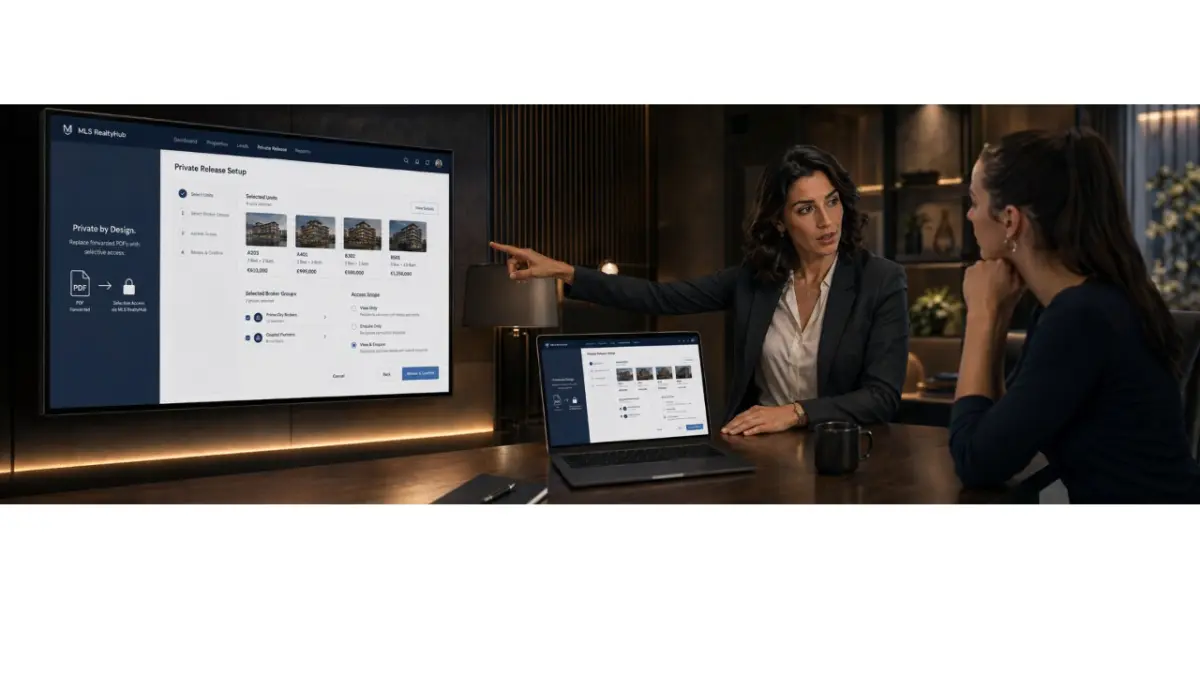
The takeaway is simple: The developer with the prettiest presentation still loses to the developer who eliminates friction. Data velocity is directly tied to buyer conversion. Moving your operations to RealtyHub ensures your inventory remains perpetually ready-to-show, capturing the buyer moment instantly without administrative delays.
Author
This material was written by Maria Vashchenko.
For questions, collaboration, or further discussion, feel free to contact me on LinkedIn.