This developer FAQ MLS Cyprus guide answers practical questions about organising new developments for professional distribution. It explains how MLS RealtyHub works with projects, units, availability, approved materials and agency access, and what remains under the developer’s control.
How MLS helps developers
What is an MLS for property developers?
An MLS is a structured digital system for organising, presenting and distributing property information to professional participants. A developer can connect a company profile with projects, units, prices, availability and approved materials. In Cyprus, it should be understood through the local professional model.
How does an MLS help developers in Cyprus?
It gives the company one structured environment for project and unit information. Teams can update inventory and provide agencies with approved materials. The workflow still depends on accurate source data and clear responsibilities.
Is an MLS the same as a public property portal?
No. A portal mainly helps the public discover advertised properties, while an MLS supports structured records and professional distribution. A project may appear in both systems, but publication in MLS RealtyHub does not mean automatic placement on every external portal.
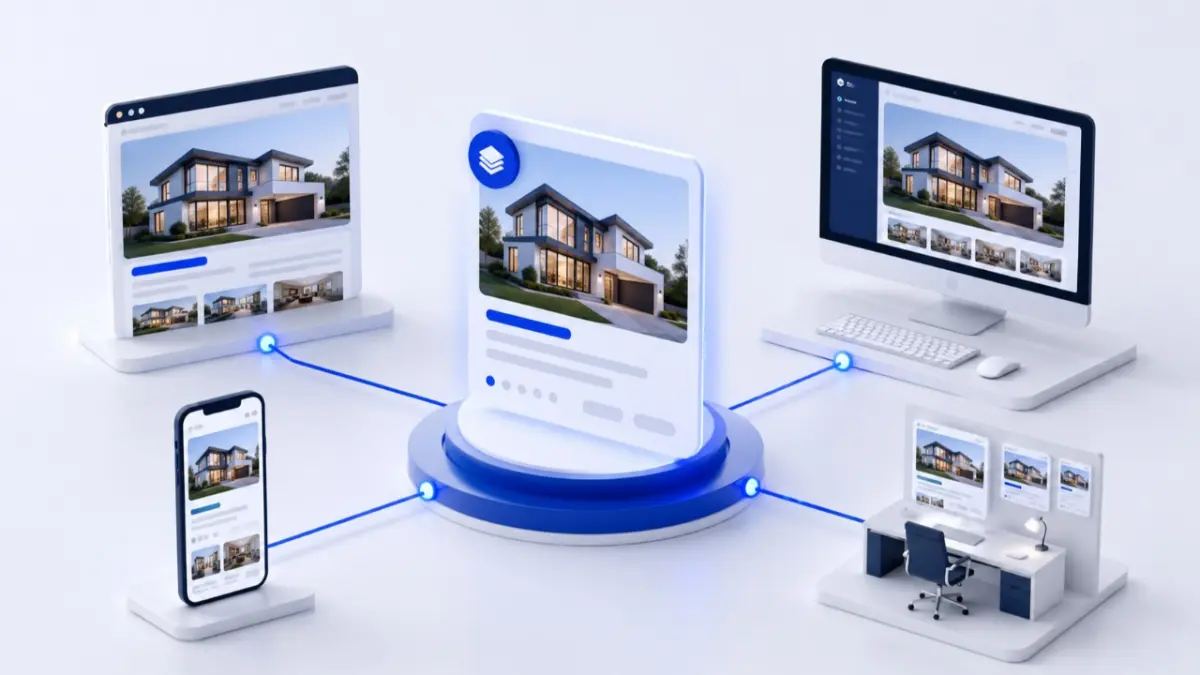
Does an MLS replace the developer’s website?
No. The website remains the company’s public channel for its portfolio, project story and direct enquiries. The MLS organises project and unit information for professional use. Both may work from the same approved data.
Does an MLS replace a sales team or agency?
No. MLS RealtyHub provides infrastructure for listing information and distribution. The developer’s team and licensed agencies continue to manage communication, viewings and transactions. The platform is not an estate agency, regulator or transaction intermediary.
Developer accounts and project portfolios
Who can use a developer account?
MLS RealtyHub positions developer accounts for property developers and new-development companies. Documents, approval stages, subscription conditions and account limits should be confirmed during onboarding because the public pages do not list them fully.
Can one company manage several developments?
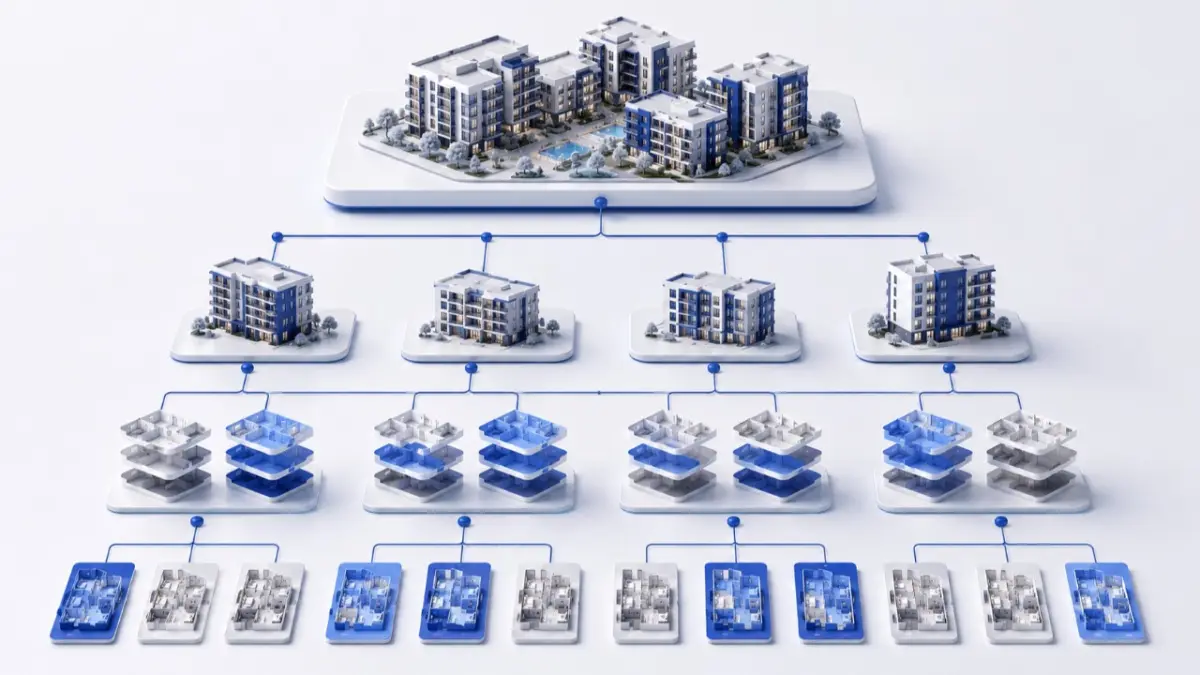
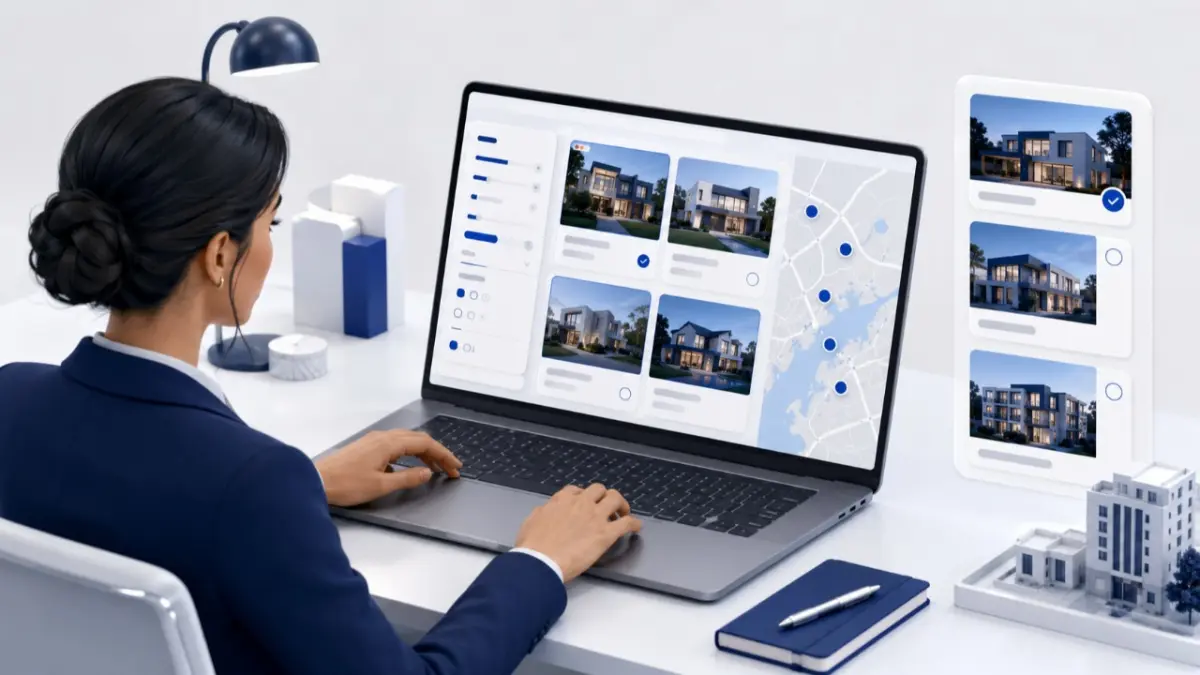
Yes. MLS RealtyHub describes corporate portfolio management for multiple projects and locations. A developer can organise developments in different Cyprus districts within one portfolio, subject to the account configuration.
Can several employees work with the same portfolio?
Yes. The developer page refers to staff accounts, team permissions and visibility controls. The company should assign responsibility for project descriptions, unit statuses, prices and documents. User limits and precise permissions need confirmation.
What can a developer dashboard be used for?
The Developer Dashboard is the authorised workspace for project and unit information. MLS RealtyHub describes portfolio tools, inventory, availability, media, documents, visibility settings and staff accounts. Available functions may depend on permissions and account configuration.
Projects, units and current information
What belongs in a project record?
A project record describes the development as a whole. It may include its official name, developer, location, categories, construction stage, specifications, amenities, plans, images, documents and contact route. Shared information should remain at project level.
Does every unit need a separate record?
Yes, when units have their own reference, price, size, layout or status. MLS RealtyHub states that each unit can be entered or imported as a record linked to the development. It may contain its floor, areas, parking, price, availability and plan.
Can off-plan and pre-launch projects be included?
Yes. MLS RealtyHub publicly refers to pre-launch listings and the distribution of new-development information. The record should clearly separate current facts, construction status, expected dates and visualisations. Publishing a project does not replace planning, legal or technical checks.
Who is responsible for project-data accuracy?
The developer is responsible for the information it supplies and approves. Assign owners to project content, inventory and materials. MLS RealtyHub structures and distributes records but does not independently confirm every uploaded fact.
How should prices and availability be updated?
The change should begin in the developer’s designated source record. The responsible person then updates the MLS entry and affected files. MLS RealtyHub refers to dashboard tools, spreadsheet import and API/XML synchronisation; review frequency depends on the project.
Can an old brochure be used as the availability source?
No. A brochure can explain the project, but it is a dated file rather than a live inventory record. Current prices and statuses should be maintained separately, and outdated files should be withdrawn or marked as superseded. This gives agencies a clear route to the current version.
Project materials and agency access
Which materials can a developer prepare for agencies?
Common materials include plans, brochures, specifications, renders, photography, maps, price lists and availability files. MLS RealtyHub refers to project documents, media, brochures and floor plans. Each file needs an owner, approval status, version date and audience.
Can developers use branded and unbranded project pages?
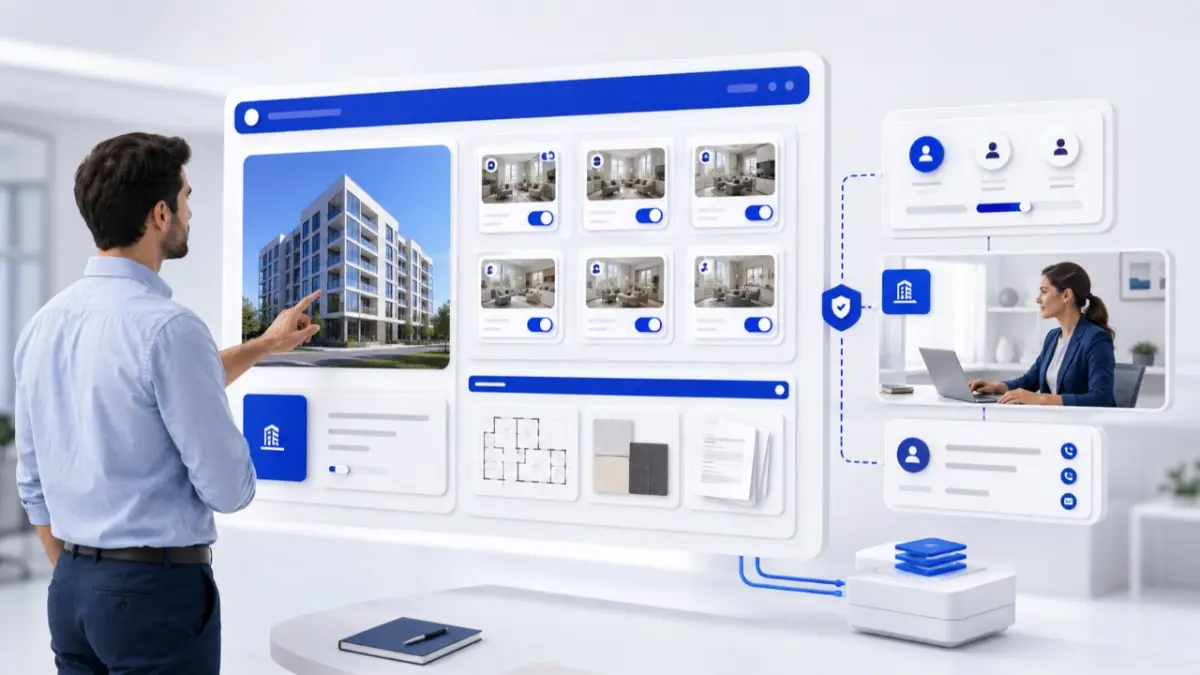
Yes. The MLS RealtyHub developer page refers to on-brand and no-brand pages for projects or units. The developer should define when its identity must remain visible, which materials an agency may share and whether any co-branded version requires separate approval.
How do agencies receive developer information?
MLS RealtyHub describes distribution to verified MLS users, selective syndication and visibility controls. Depending on settings, an agency may access project descriptions, unit records, plans, availability and contact routes. Permissions should be checked for each project and user group.
Can agencies edit the developer’s source information?
Only if the account permissions explicitly allow it. The developer or its authorised team should control the source record, while agents use the approved information in their client work. Prices, specifications, statuses and company contacts should not be changed independently.
Does professional access verify every project and participant?
No. MLS RealtyHub states that it does not verify ownership, mandates or licensing and that listing identities are based on user declarations. Professional access helps organise distribution, but legal status, authority and transaction documents still require the appropriate checks.
CRM, API and connected workflows
Does MLS RealtyHub replace a CRM?
No. The MLS manages structured property information and professional distribution, while a CRM manages contacts, tasks, communication history and follow-up. An enquiry may refer to a project or unit, but the relationship record and next action belong in the CRM.
What can a CRM connection support?
Developer CRM Integration may connect an enquiry with its source, project, unit, agency, salesperson and next action. Supported CRM products, fields and connection methods must be confirmed. A CRM should not automatically become the source of current inventory.
When does a developer need an API?
An API is useful when several systems need repeatable exchange of project or unit fields. Developer API Integration requires field mapping, authentication, permissions, validation and error monitoring. A limited portfolio may use a controlled dashboard or spreadsheet workflow.
Does an API make property data accurate automatically?
No. An API transfers the data supplied by the source, including an incorrect value. Accuracy depends on stable unit references, field ownership, validation and error review.
Responsibility and expected results
Does MLS RealtyHub replace legal or technical review?
No. The platform is not a legal adviser, planning authority, construction-management system or government registry. Developers should use the appropriate professionals and official sources for ownership, permits, contracts, construction status and other transaction-specific matters.
Can MLS RealtyHub guarantee enquiries or sales?
No. MLS RealtyHub provides tools for structured information, availability management and professional distribution. Enquiries, agency activity, reservations and sales depend on the project, pricing, market, audience and the work of the participating teams.
Prepare a developer account for professional distribution
Before publishing the first project, assign data owners, standardise unit references, review prices and availability, approve plans and materials, define agency-access rules and choose an update process. Request an MLS RealtyHub workflow review to confirm the current account, onboarding and integration options for your portfolio.
Common developer questions before onboarding
What should a developer prepare first?
Start with the company profile, active projects, unit list, current prices, availability and approved materials. Then assign responsibility for updates, permissions and enquiry follow-up. This preparation keeps the initial project records consistent.
Is an API required to start?
No. The appropriate method depends on the number of projects, units and connected channels. MLS RealtyHub publicly refers to dashboard, bulk-import and API/XML options, so the company can discuss a workflow that matches its current data setup.
How can a developer begin using MLS RealtyHub?
Review the official developer-account information and prepare the company, project, unit and material records. The MLS RealtyHub team can then confirm current onboarding requirements, permissions, imports and integration options for the selected account.
Author
This material was written by Maria Vashchenko.
For questions, collaboration, or further discussion, feel free to contact me on LinkedIn.