A developer press release turns one confirmed event into a concise announcement for journalists and stakeholders. This guide shows how to select the angle, verify details and coordinate distribution without creating a sales brochure. For teams researching developer press releases cyprus, the rule: publish one approved account and update every connected project source before it goes live.
Use the process for a project launch, milestone, completion, partnership or award. It is intended for Cyprus developers and the communications, project, sales and leadership teams involved in approval. The outcome is an approved release, media pack, distribution list and aligned website and agent updates.
What Should Be Prepared Before Writing?
Start with facts, not copy. Record the event, project and developer names, location, development type, stage, confirmed dates, unit types, relevant partners, approved description, official project page and media contact. Add the spokesperson, image credits and final approver.
Recheck availability, prices, VAT wording, construction status, expected completion, permit terminology, job titles, links and contacts immediately before publication. A detail can be correct during drafting and outdated by distribution day.
Separate facts from expectations
Use direct wording for confirmed information. Mark a target date as “expected,” an unfinished design as “proposed,” and a visual as an “indicative render.” A planning application is not an approved permit.
How to Write and Distribute the Release
Step 1: Define one event and one audience
Complete: “[Developer] is announcing [event] at [project/location] because [relevance to the audience].” If the sentence contains unrelated events, split them. A launch may interest property media, agents and buyers; a contractor appointment may require a business or construction angle.
Step 2: Confirm that it is newsworthy
Ask whether the information matters beyond existing customers. A launch, milestone, completion, partnership or independent award can justify a release. A routine price change belongs in the project or agent system.
Step 3: Verify the project fact sheet
The project team confirms scope and status, sales checks commercial data, and partners approve their roles. Technical review may be needed for permits, certificates and construction claims. Every material statement needs a source or responsible approver.
Step 4: Draft the headline and opening
To announce new development clearly, lead with the launch, location and verified scale—not a long description of the company’s vision. A useful pattern is: “[Developer] begins construction of [Project] in Paphos.” The opening then answers who, what, where, when and why. Readers should understand the news before reaching the quote.
Step 5: Add facts, a quote and media
Include only details that explain the event: project type, scale, stage, relevant units, partner or next milestone. The approved quote should add rationale, design context or practical significance rather than generic praise.
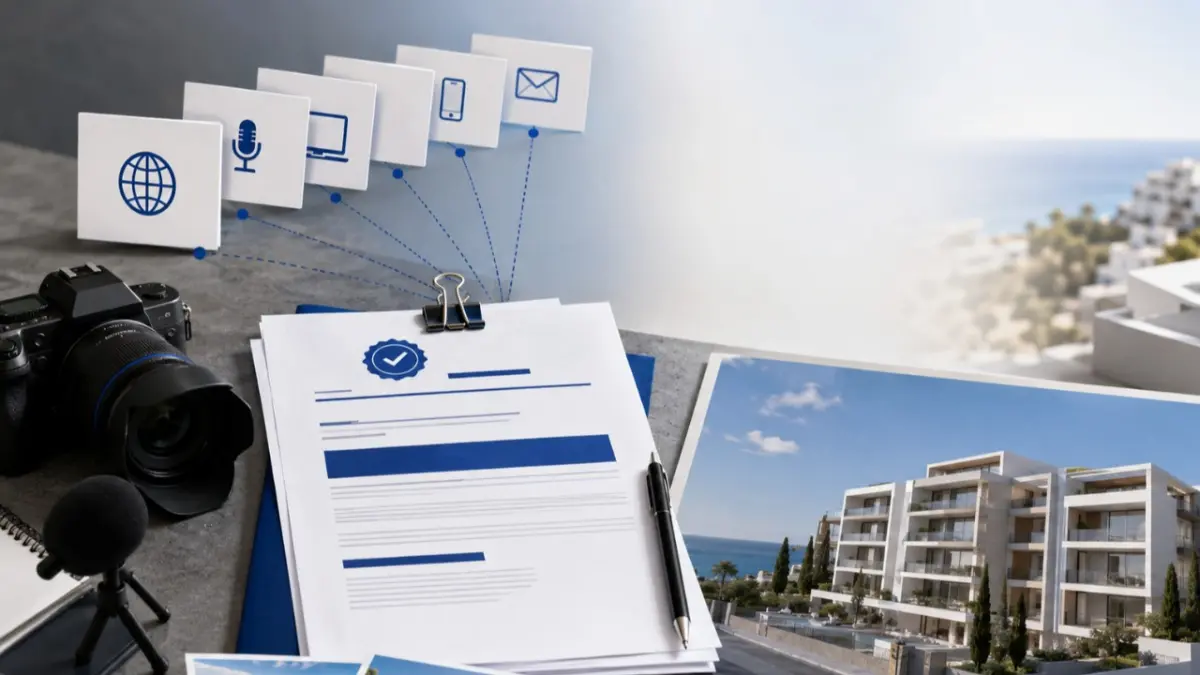
Choose two or three visuals. Each needs a descriptive name, caption, credit and usage record. Label renders so they cannot be mistaken for completed-property photographs.
Step 6: Approve one master version
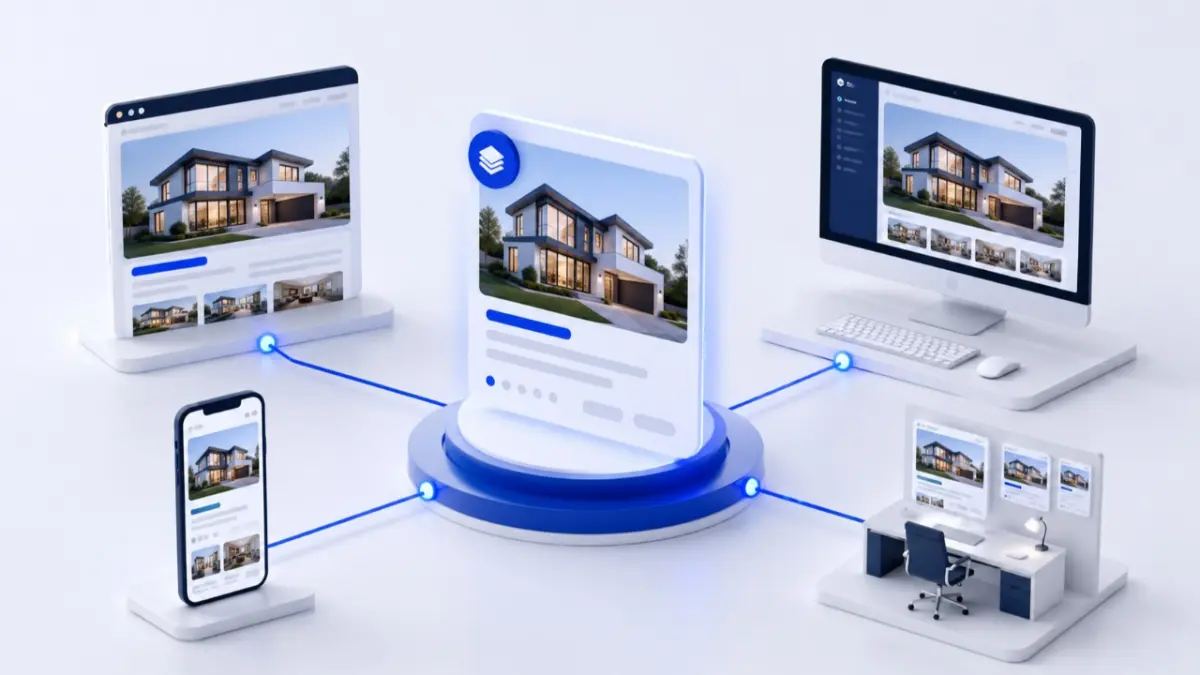
Check names, dates, status, quote, images, links and contacts with the relevant teams. Archive the approved version so the website post, pitch, newsletter and agent notice use the same facts.
Step 7: Distribute and update connected channels
Use targeted outreach for relevant Cyprus business, property, construction or regional editors. Paid services, the developer newsroom, LinkedIn, newsletters and agent networks serve different purposes. None should be presented as earned editorial coverage.
Update the project page before outreach. Confirm status, availability, plans, visuals and enquiry details. Agents need a short operational notice explaining what changed, where the approved materials are and whom to contact—not a pasted media release.
Step 8: Measure the response
Record relevant publications, referral visits, agent questions and qualified enquiries. One relevant mention may be more useful than several unrelated reproductions.
What Structure Should the Release Follow?
A straightforward release is often around 400–600 words, although Cyprus has no mandatory universal length. Keep technical detail in the project page or media kit.
- Release status or embargo, when required.
- Headline, place and publication date.
- Opening paragraph with the event.
- Project facts and context.
- Approved quote.
- Official project reference and next step.
- Company boilerplate and media contact.
- Image captions, credits or editor notes.
Reusable Property Press Release Template
[Developer + action + project/location]
[CITY], Cyprus — [Date] — [Developer] has [announced event] at [project/location], [why it matters].
[Confirmed type, scale, stage, units or partner.]
“[Approved quote adding significance],” said [Name], [title].
[Current status, next milestone and qualified expectations.]
More information: [official project reference].
About [Developer]: [Two factual sentences.]
Media contact: [Name, email and phone.]
Notes: [Render labels, credits and media-kit details.]
Remove irrelevant placeholders. A partner quote is unnecessary if no partner is central, and prices may be omitted from a construction update.
How Should Media and Agent Distribution Work Together?
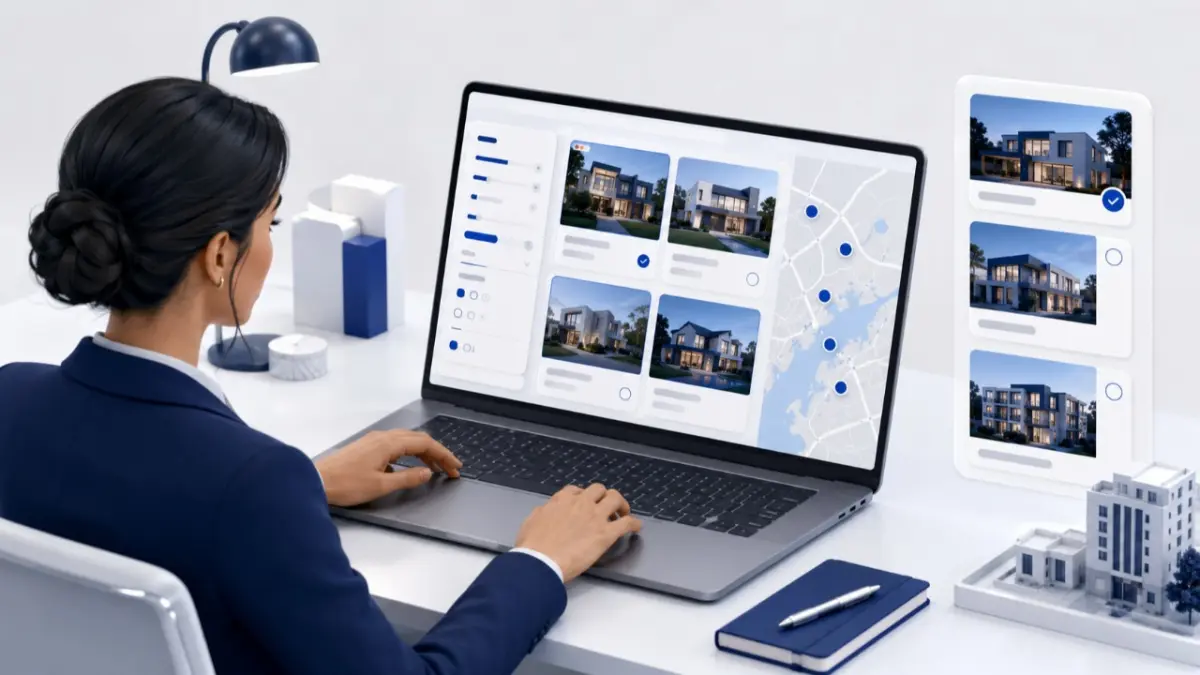
Media distribution explains why an event matters. Project distribution gives agents current facts afterwards. An MLS may hold project data, availability and media, but it is not automatically a PR agency or newswire.
This distinction matters when interpreting news distribution mls: its practical role is to connect an announcement with a current agent project record. It does not establish that MLS RealtyHub sends releases to journalists or guarantees publication. The platform fits the workflow as a structured project and unit reference after approval.
Cyprus Example: Launching a Project in Larnaca
A developer is opening sales for a planned 42-unit apartment development. Its fact sheet covers status, unit types, architect, expected timetable, plans, labelled renders, initial availability and official contacts.
The headline states that sales are opening for a 42-unit development in Larnaca. Editors receive a relevant pitch and the approved release; the newsroom publishes the master version; the project page is updated; agents receive current availability. The team measures coverage, visits and enquiries without attributing every later reservation to the release.
Common Mistakes to Avoid
- Advertisement instead of news: identify a specific event and evidence.
- Event hidden in the introduction: state it in the headline and opening.
- Estimate presented as a guarantee: qualify dates, plans and forecasts.
- Unapproved quote or unlabelled render: obtain approval, status, credit and permission.
- Conflicting channel versions: adapt one approved master.
- Outdated project data: update the project page before outreach.
- Paid delivery counted as coverage: report distribution and editorial mentions separately.
Final Pre-Publication Checklist
Confirm that:
- one relevant event and audience are defined;
- the headline and lead explain what happened and where;
- names, stage, dates, partners and unit facts are verified;
- permit, certification and award wording is accurate;
- changing data is current and estimates are qualified;
- quotes and images have approval, labels and credits;
- the contact and project reference work;
- the project page and agent materials match the master version;
- distribution and measurement responsibilities are assigned.
Keep the Announcement and Project Record Aligned
Review the fact sheet, project page and agent materials as one workflow. MLS RealtyHub can provide structured context for agents, while the communications team remains responsible for the press message and media distribution. Request a workflow review before the next announcement.
Frequently Asked Questions
How do you write a press release for a new property development?
Choose one event, verify the facts, write a factual headline and lead, add an approved quote and provide a current project reference. Approve everything before distribution.
What should a real estate development press release include?
It normally includes a headline, dateline, opening, supporting facts, quote, boilerplate, media contact, official reference and image information. The format may vary by recipient.
When should a Cyprus developer issue a press release?
Use one when a launch, milestone, completion, partnership or verified award matters beyond routine sales communication. Availability changes belong in the current project and agent systems.
Where can developers distribute property press releases in Cyprus?
Options include relevant Cyprus media, recognised distribution services, the developer newsroom, newsletters, LinkedIn and partner channels. Editors decide whether the story receives coverage.
How long should a development press release be?
A release is commonly near 400–600 words, but Cyprus has no universal requirement. Detailed background can remain in the media kit or project page.
Should prices and availability appear in the release?
They can support a sales launch when approved, dated and current. They may be unnecessary for other announcements. Always direct readers to a maintained source.
What images should accompany a project announcement?
Use relevant approved renders, photographs, construction images, plans or maps. Record permissions and label renders clearly.
Can an MLS distribute property development news?
An MLS may distribute approved project and unit information to agents or authorised users. It is not automatically a newswire or media outlet. Claims about media partners or press services require direct product confirmation.
Author
This material was written by Maria Vashchenko.
For questions, collaboration, or further discussion, feel free to contact me on LinkedIn.