A professional developer community brings property-development companies and relevant specialists into a structured environment for knowledge exchange, industry dialogue and practical cooperation. The term developer community cyprus may refer to an association, business event, working group, private network or digital platform. Its value depends on clear participation rules, useful activities, controlled information exchange and connections to the systems that manage project data.
What is a property developer community?
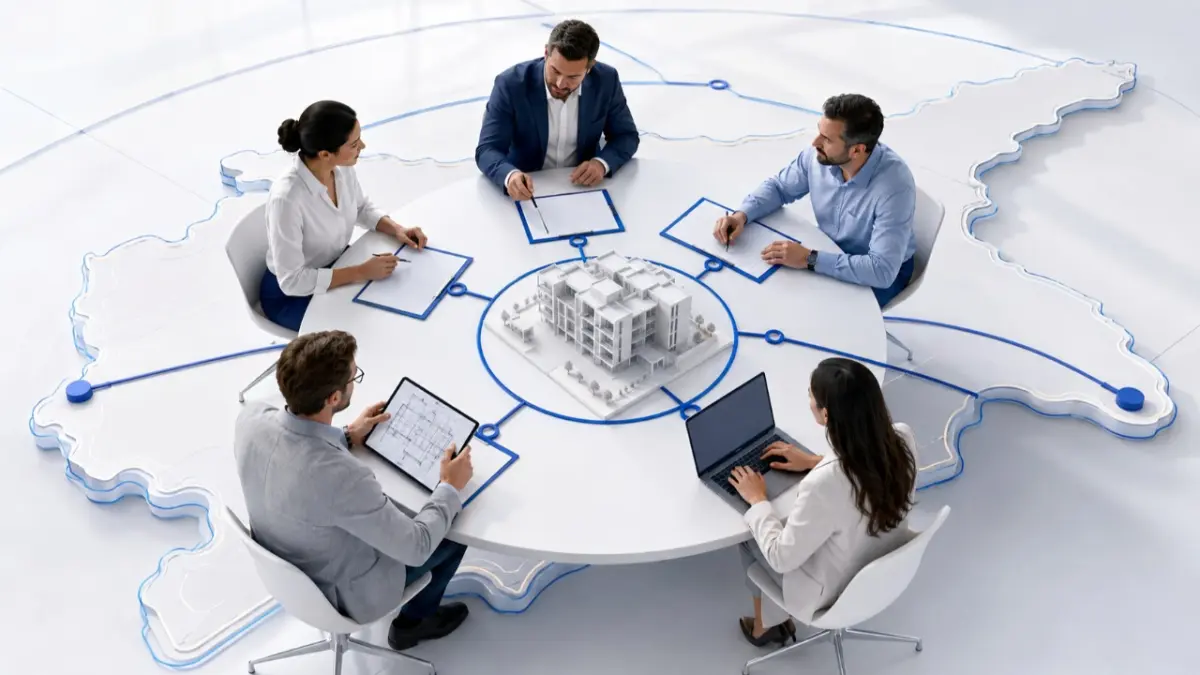
A property developer community is a professional network centred on companies that plan, build, market and distribute new developments. Depending on its purpose, it may include company directors, sales and marketing teams, project and inventory managers, architects, engineers, consultants, contractors, technology providers, licensed agents and professional organisations.
It is not simply a group of people interested in property. A working community has a defined purpose, relevant participants, communication channels and rules for sharing information. It may support sector education, introductions, working groups, developer-to-agent communication or discussion of operational practices.
What forms can a developer community take?
A formal association usually has membership criteria, organisational responsibilities and a programme of sector activities. It may represent development companies, publish professional information, organise events and create a platform for discussing issues shared by its members.
Other formats serve more focused purposes:
- conferences bring companies and specialists together for presentations and professional introductions;
- roundtables address a defined operational, technical or regulatory topic;
- working groups develop proposals or shared practices within an agreed scope;
- private networks connect selected companies and professional partners;
- online communities support ongoing discussions and access to resources;
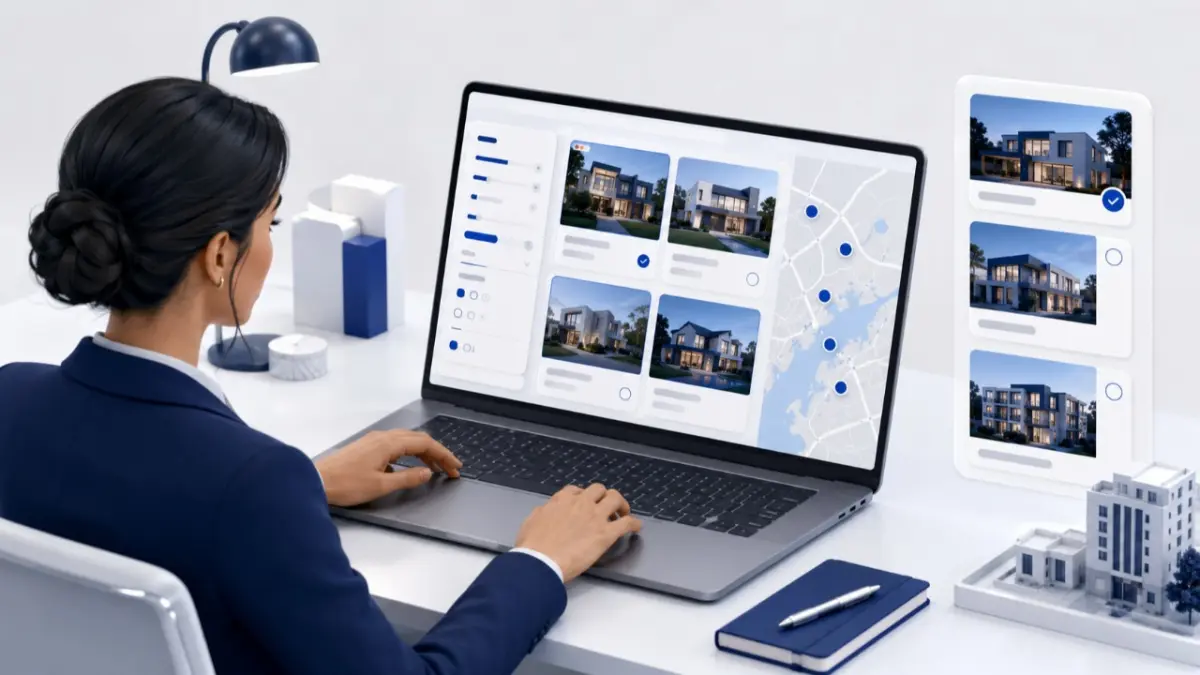
- developer-to-agent platforms organise project communication and distribution;
- MLS-supported environments provide structured property information to authorised users.
These formats may complement one another. An association can organise an event, an event can lead to a working group, and a digital platform can support the operational communication that continues afterwards.
Is there a professional developer community in Cyprus?
Cyprus has formal sector organisations, property events, private business initiatives and digital platforms serving different parts of the development market. One relevant example is the Cyprus Land and Building Association, which presents itself as a professional platform where companies exchange views, knowledge and information. Its published membership includes property and development businesses from different districts.
This does not mean that every Cyprus developer belongs to one unified community. Companies may participate in different networks according to location, development type, professional role or business objective. A Developer Dashboard can support this participation by giving authorised staff a controlled place to manage company profiles, project records, unit information and materials used in professional communication.
Who participates in a developer network?
The composition should follow the purpose of the group. Development companies may participate through directors or senior managers when the discussion concerns sector strategy and partnerships. Sales and marketing teams contribute knowledge about project presentation, agency communication and buyer questions. Project and inventory managers provide operational context concerning specifications, construction stages, prices and availability.
Architects, engineers, planners, contractors and consultants may join discussions that require technical knowledge. Licensed agents and agencies become relevant when the purpose includes project distribution or cooperation with buyers. Technology providers can explain data exchange and workflow infrastructure, while professional bodies may organise education or sector dialogue. A developer-only working group and a developer-to-agent distribution environment therefore need different access rules.
What practical needs can the community address?
A professional community can help participants exchange experience, follow sector developments, find relevant specialists and discuss recurring working questions. It may also give development companies a structured way to introduce projects to agencies, explain cooperation procedures and learn what information partners need before presenting a unit to a buyer.
A useful network for developers does not promise sales, enquiries or partnerships. Its role is to create suitable conditions for professional interaction. Each company still remains responsible for its decisions, project records, materials, commercial terms and communication with buyers and partners.
How should participation and access be organised?
Access can be based on company membership, professional eligibility, invitation or registration. The appropriate model depends on whether the community represents a sector, hosts events, supports private discussions or distributes controlled project information. Participants should understand who can enter, what they may share and which administrators manage access.
A practical governance framework includes:
- a clear purpose and scope;
- defined participant categories;
- organisation or role checks where appropriate;
- rules for professional promotion;
- separate access levels for public and restricted information;
- assigned administrators or moderators;
- confidentiality expectations;
- a process for correcting outdated information;
- procedures for limiting access when rules are not followed;
- periodic review of participation and community activity.
Governance should match the format. A conference requires registration and event rules, while a digital professional environment also needs permissions, moderation and information ownership.
What information can developers share?
Suitable materials may include approved company announcements, project descriptions, plans, images, specifications, published construction information, event details and answers to recurring agency questions. Current prices or unit availability can also be distributed when the company has authorised the audience and assigned responsibility for updates.
Personal data, internal margins, confidential contracts, unannounced prices and unapproved project details require controlled handling. A discussion channel should never become an informal replacement for the system that owns project and unit information.
How does developer-to-agent communication work?
Developers usually need to give agencies an approved project summary, plans, images, specifications, contact procedures and current unit information. They should also explain whether materials may be used in branded, unbranded or co-branded form. When a price, specification or availability status changes, partners need a clear route to the updated record.
Developer CRM Integration becomes relevant after an introduction or enquiry. The CRM can record the agency relationship, assign follow-up, store communication history and track requests. It does not replace the community or the project-data source: it manages relationships and actions connected with them.
Why does project-data ownership matter?
Professional communication becomes more reliable when every field has an owner. Marketing may control descriptions and presentation assets, while an inventory manager confirms prices and availability. Project specialists may approve technical information, and an authorised manager may release materials for external use.
The workflow should identify standard project fields, unit references, terminology, specifications, prices, availability statuses and responsible people. When information changes, the source record is corrected first. Updated materials can then be distributed to authorised participants instead of leaving several conflicting files in circulation.
How is a community different from a forum, portal, CRM and MLS?
A professional community organises participation, relationships, knowledge exchange and joint activities. A forum is primarily a discussion space where members publish questions and replies. A property portal helps users discover listings, while a CRM stores contacts, enquiries, tasks and communication history.
The phrase mls forum can refer to a user discussion board, support community, training space or conversation about listing cooperation. It does not automatically describe an MLS function. An MLS primarily structures and distributes listing information under defined platform rules. It may support a professional network without operating as a social community or industry association.
What digital infrastructure supports the community?
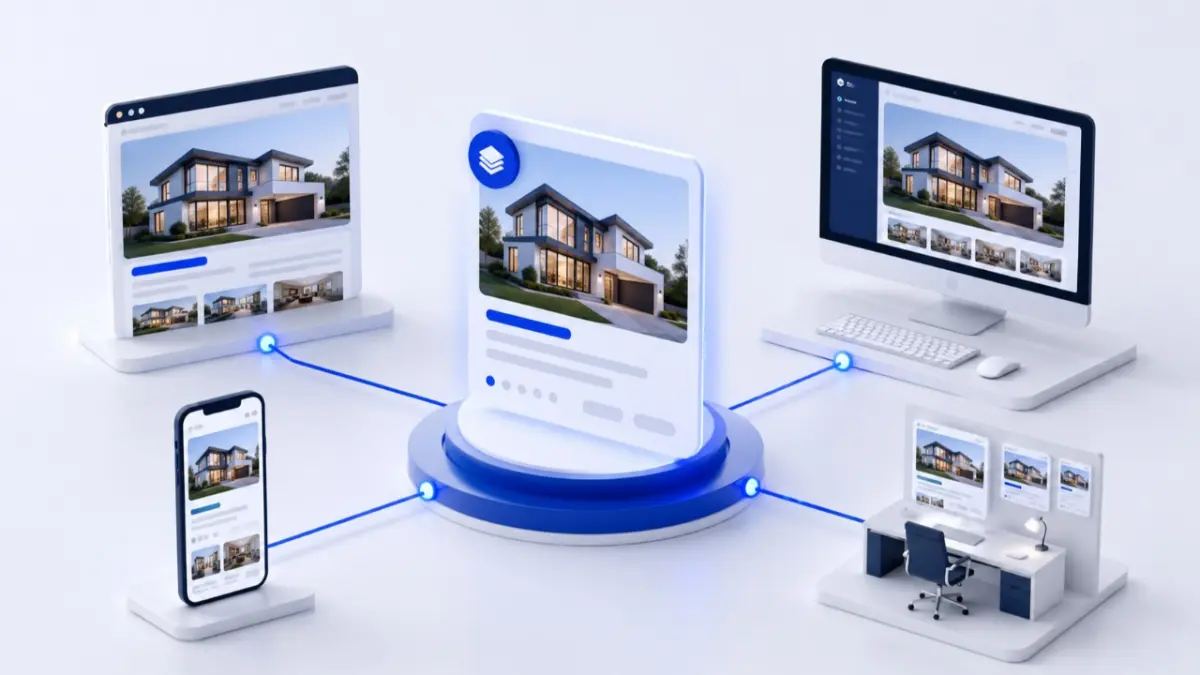
A digital professional environment may include organisation profiles, role-based access, topic channels, searchable resources, event information, notifications and controlled documents. Not every community needs every function. Technology should follow the purpose, participant roles and information boundaries already defined.
Different systems can support different stages of the same workflow. A community creates professional contact, a CRM records follow-up, a document system controls approved media, a dashboard manages project records, and an MLS distributes structured property information. Keeping these functions separate makes ownership clearer.
How can MLS infrastructure support professional cooperation?
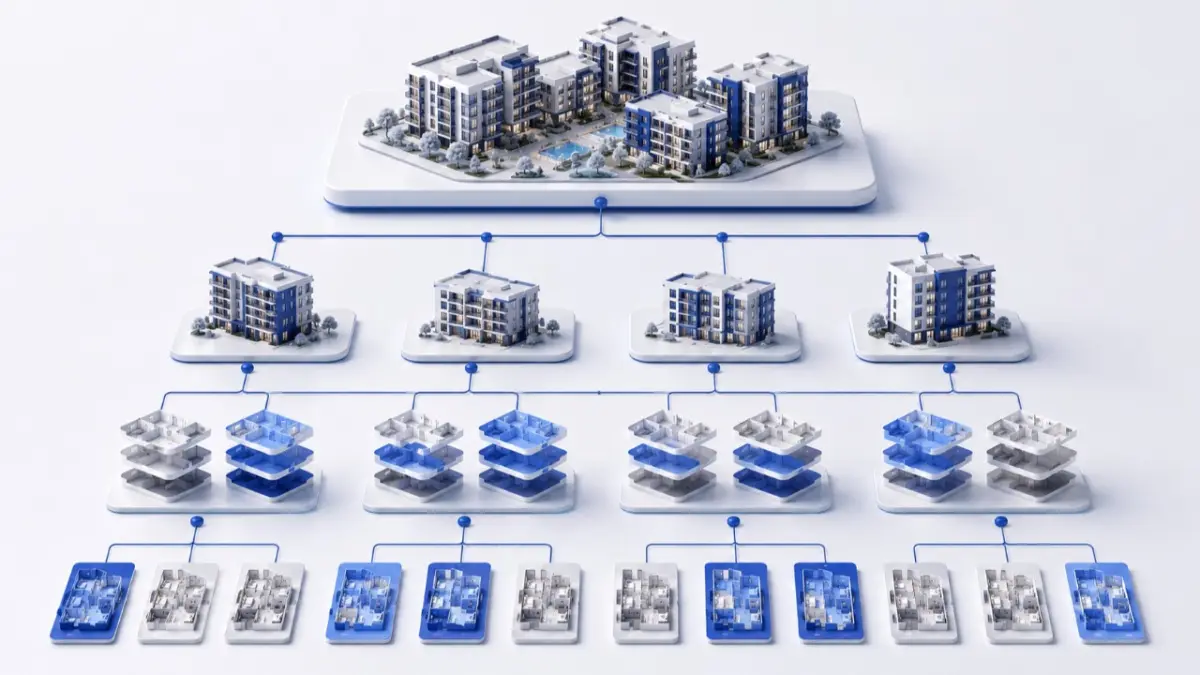
An MLS can give authorised professionals access to structured developer, project and unit records. Standard fields make information easier to review, while controlled project materials and current availability support developer-to-agent distribution. The platform does not replace company approvals, professional responsibilities or the relationships developed within the wider property sector.
MLS RealtyHub supports developer profiles, project and unit presentation, inventory management, project materials, controlled distribution and professional access. It can form part of the operational infrastructure used by developers and agencies, but it should not be described as an association or public discussion network.
A practical framework for building the community
A professional network can be planned through a clear sequence:
- Define whether its purpose is education, industry dialogue, partnerships, project distribution or shared working practices.
- Identify the companies and professional roles that need to participate.
- Establish eligibility, verification and access requirements.
- Select useful activities such as events, briefings, working groups or controlled project communication.
- Separate public, member-only, restricted and confidential information.
- Assign each type of discussion, document and project record to the correct channel.
- Appoint administrators, moderators and information owners.
- Add digital tools according to actual workflow requirements.
- Measure useful participation and operational results.
- Review rules, access and information quality regularly.
Developer API Integration may support the infrastructure when authorised records need to move between connected systems. Field mapping, permissions, update responsibility and error handling must still be defined because technical connectivity alone does not establish data quality.
Fictional example: one company across 2 districts
Imagine Cyprus Meridian Developments, a fictional company with apartment projects in Limassol and Larnaca. Its team participates in a professional property network and attends a working session about agency communication. The company then prepares an approved summary for each development and defines which employees own descriptions, technical specifications and unit availability.
At an industry event, the team meets licensed agencies serving different buyer audiences. The CRM records follow-up, the project system controls unit information, and approved materials are shared through a professional distribution channel. When a unit is reserved, the inventory manager updates the source record so authorised agencies receive the current status. The community creates the introduction and knowledge exchange; the supporting systems manage the operational work.
Developer community checklist
- Is the purpose clear to every participant?
- Are relevant companies and professional roles defined?
- Are access and verification requirements documented?
- Do activities address practical developer needs?
- Are commercial promotion rules clear?
- Is confidential information separated from approved materials?
- Does every project field have a responsible owner?
- Can outdated documents be corrected or withdrawn?
- Do agencies know where to find current information?
- Are discussions connected to follow-up workflows?
- Do digital systems have distinct responsibilities?
- Is useful participation reviewed regularly?
Conclusion
A property developer community is most useful when it combines relevant participants, a clear purpose and practical working rules. Associations, events, working groups and digital platforms can support different parts of professional cooperation in Cyprus. Their lasting value comes from structured interaction, responsible information exchange and a clear connection between community activity and the systems controlling project data.
Organise professional project distribution
Use MLS RealtyHub to manage structured project information, current unit availability and approved materials for professional developer-to-agent distribution. Request a workflow review to see how your existing project and partner processes can be represented within the platform.
FAQ
What is a property developer community?
It is a structured professional network that connects development companies and relevant property-sector participants for knowledge exchange, industry activities, cooperation or controlled project communication.
Who can participate in a developer network?
Participation may include developers, company directors, sales and marketing teams, project managers, inventory specialists, agents, architects, engineers, consultants and technology providers. The exact composition depends on the network’s purpose.
How is a developer network different from an agent network?
A developer network focuses on development companies, projects and sector cooperation. An agent network mainly supports relationships among agents, agencies, referrals and buyer representation. The 2 formats can intersect when developers distribute projects through licensed agencies.
What can developers share with professional partners?
They can share approved descriptions, plans, images, specifications, cooperation procedures and authorised availability information. Confidential or unapproved information requires restricted access.
Can a professional community replace a CRM?
No. A community supports interaction and knowledge exchange, while a CRM records contacts, enquiries, tasks and follow-up history.
Can an MLS support communication between developers and agents?
Yes. An MLS can structure project and unit records, provide professional access, distribute approved materials and communicate availability updates to authorised users.
Does an MLS create a developer community?
An MLS can support the operational part of professional cooperation, but technology alone does not create a community. A useful community also needs relevant participants, governance and recurring professional activity.
How should project information be kept current?
The company should define a source system, assign an owner to each type of information and update that source before distributing revised records or materials to professional partners.
Author
This material was written by Maria Vashchenko.
For questions, collaboration, or further discussion, feel free to contact me on LinkedIn.