How to Rent a Home in Cyprus Without Missing the Details
Compare rental areas and property types in Cyprus, understand deposits and monthly costs, and check the home and contract before paying.
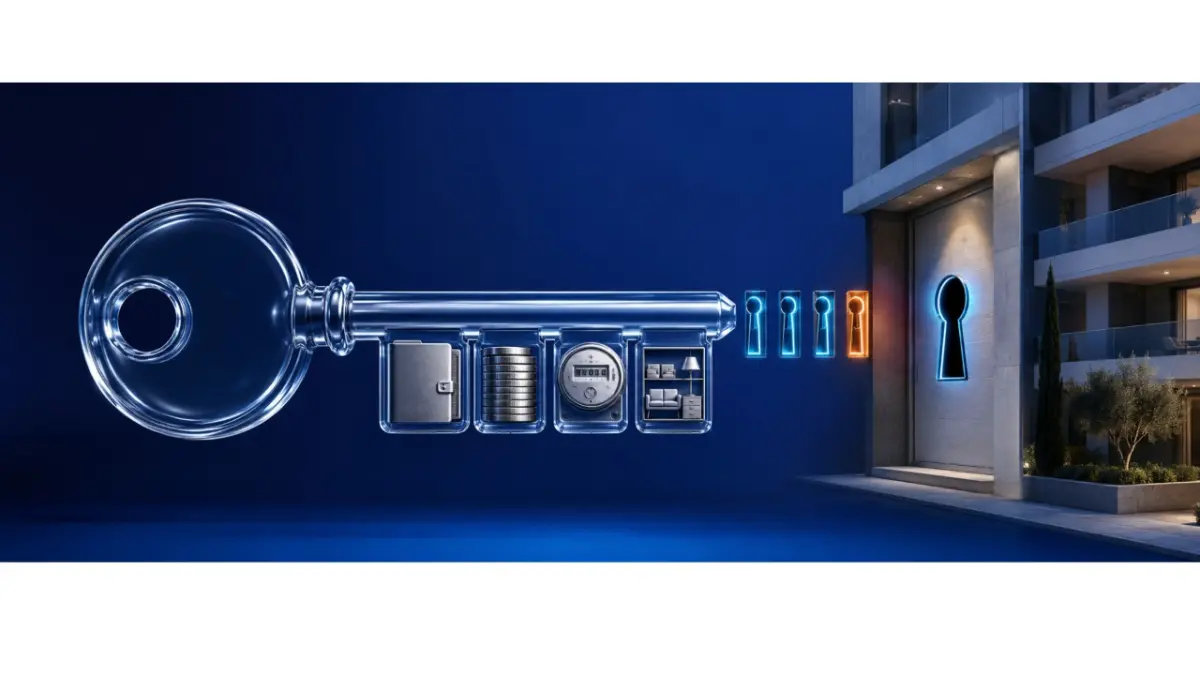
Anyone planning to rent a house in Cyprus should look beyond the photographs and advertised monthly rate. Electricity, water, internet, communal charges, pool or garden maintenance and transport can all change the real cost. Before paying, confirm the property, the landlord’s authority, the contract terms and the process for returning the deposit.
Who This Guide Is For
This guide is intended for families, students, international professionals and anyone looking for property for rent in Cyprus for a permanent move, temporary relocation or holiday. The right process depends on the rental period, property type, location and expenses included in the monthly payment.
Step 1. Decide How Long You Need the Property
Long-term rentals in Cyprus usually involve monthly payments, a written residential agreement and clear responsibilities for maintenance, repairs and utilities. Tenants staying for several months should also confirm the renewal process and the conditions for leaving before the agreed end date.
Holiday rentals in Cyprus and vacation rentals in Cyprus are usually booked for days or weeks rather than through a standard residential tenancy. Cancellation terms, cleaning charges, additional fees and property registration are particularly important for these stays.
Step 2. Calculate the Full Monthly Cost
Do not limit the budget to the advertised rent. Confirm who pays for electricity, water, internet, municipal services, communal areas, parking, the pool and the garden. Houses can also involve higher cooling and outdoor maintenance costs.
Separate one-off and recurring expenses:
- the first rental payment;
- the security deposit;
- any agency fee;
- monthly rent;
- electricity and water;
- internet;
- communal charges;
- pool and garden maintenance;
- cleaning;
- additional short-stay charges.
Every payment should be confirmed in writing. If the advertisement does not clearly state that a service is included, treat it as an additional expense until the landlord confirms otherwise.
Step 3. Choose an Area That Fits Your Routine
Compare locations using the journey to work, school, shops, healthcare and public transport. In coastal and tourist areas, also consider seasonal activity, noise and the availability of everyday services during winter.
Limassol
Professionals and families who want city services and access to the coast may find Limassol suitable. Parking, communal charges and differences between central, coastal and outer neighbourhoods can have a significant effect on the total cost.
Paphos
More houses, villas and quieter residential settings can be found in Paphos and its surrounding communities. The additional space may come with longer daily journeys and greater dependence on a car.
Larnaca
Airport access makes Larnaca practical for frequent travel and permanent living. Check proximity to shops, schools, parking and major roads rather than focusing only on the distance to the sea.
Nicosia
The capital suits tenants who prioritise work, education and urban services over coastal access. Commuting time, parking and the availability of public transport should guide the choice of neighbourhood.
Ayia Napa and Protaras
These areas work well for shorter and seasonal stays, but local conditions can change considerably during the year. Anyone considering a longer tenancy should check winter services, transport and whether the property will remain available after the tourist season begins.
Paralimni
Lower tourism pressure can make Paralimni more practical for an extended stay. Access to workplaces and everyday services may still be difficult without a car, depending on the exact location.
Suburban and Inland Areas
Properties outside the main cities can provide more space, but any saving should be compared with transport expenses. Road access, utilities and the distance to essential services also need to be checked.
Step 4. Choose Between a House and an Apartment
Tenants who want to rent an apartment in Cyprus may have fewer individual maintenance duties, making this option practical for one person, a couple or a smaller family. However, building rules and separate charges for lifts, pools, security and communal areas may apply.
A house provides more space and privacy but usually creates additional responsibilities for the garden, pool, external structure and technical systems. The contract should state exactly which work is handled by the landlord and which expenses belong to the tenant.
Step 5. Compare Listings Using the Same Criteria
Cyprus property listings may show a similar monthly rate while including very different services. For each option, record the rent, deposit, utilities, maintenance, parking, furniture, tenancy period and early-termination conditions.
Confirm that the property is still available and request the full address. If the same home appears with different prices or terms, ask the landlord or authorised representative to provide the current offer in writing.
Step 6. Check the Landlord and the Contract
Before paying, confirm the landlord’s identity and right to let the property. A representative should provide evidence that they are authorised to act for the owner. The contract must identify the parties, property, tenancy period, rent, deposit, repair responsibilities and termination conditions.
Check that the agreement covers:
- the exact property address and description;
- the start and end dates;
- renewal conditions;
- the payment method and due date;
- any rules for changing the rent;
- the deposit amount;
- the deposit-return process;
- the furniture and appliance inventory;
- responsibility for repairs;
- utilities and communal charges;
- rules for pets and additional occupants;
- restrictions on subletting;
- the landlord’s access to the property;
- notice and early-termination periods.
Do not sign a contract with blank or unclear clauses. Promises about repairs, furniture or payments should be added to the agreement or a signed appendix.
Step 7. Check Short-Term Accommodation
Self-service accommodation offered for tourist stays must be registered with the Cyprus Deputy Ministry of Tourism. The registration number should appear in the advertisement and related transactions.
Before booking, verify the registration number, total price, cancellation rules, deposit, cleaning charges and possible fees for additional guests. The platform terms and the property’s specific conditions should both be reviewed before payment.
Step 8. Inspect the Property
During the viewing, inspect the walls, ceilings, floors, windows, doors, air-conditioning units, water pressure, hot water, sockets, appliances and furniture. Confirm internet availability, parking, heating and ventilation, and assess noise from roads, neighbours or tourist activity.
For a house, also examine the roof, plot, pool, garden and irrigation system. In an apartment building, inspect the entrance, lift, shared spaces, refuse area and parking arrangements.
Step 9. Record the Condition at Move-In
Photograph every room, appliance, item of furniture and existing defect. Record electricity and water meter readings together with the number of keys, access cards, remotes and other items handed over.
The inventory should describe the condition of each item. Any promised repairs or replacements should also be recorded in writing with an agreed completion date.
A Practical Comparison
An apartment and a house are available at a similar monthly rate. The apartment includes communal-area maintenance, uses less electricity and allows the tenant to reach work without a car. It provides less space and is subject to the rules of the residential development.
The house offers another room and a garden, but the tenant pays separately for pool care, gardening, electricity and regular car journeys. Once these expenses are included, the house costs more each month, showing why tenants should compare the full cost rather than rent alone.
Common Mistakes
- Transferring money before viewing the property and checking the landlord.
- Signing an agreement with blank or unclear clauses.
- Failing to confirm which services are included in the rent.
- Paying a deposit without a signed contract.
- Leaving the deposit-return process undefined.
- Failing to check a representative’s authority.
- Comparing rent without utilities and transport expenses.
- Moving in without a signed inventory.
- Failing to record defects and meter readings.
- Applying long-term tenancy assumptions to a holiday booking.
- Booking short-term accommodation without checking its registration number.
- Ignoring seasonal changes in the surrounding area.
Checklist Before Payment
Before signing or booking, confirm:
- the exact address;
- the current price;
- the rental period;
- the full monthly cost;
- the deposit amount;
- the deposit-return conditions;
- any agency fee;
- the authority of the landlord or representative;
- the furniture and appliance inventory;
- repair responsibilities;
- utility payments;
- rules for pets;
- early-termination conditions;
- the landlord’s access rights;
- parking arrangements;
- access to transport and daily services;
- the registration number for short-term accommodation;
- cancellation and final-cleaning conditions.
If the premises will be used as an office, shop or service location, commercial property in Cyprus should be considered separately. Permitted use, customer access, transport connections, parking and business requirements will matter more than residential criteria.
Frequently Asked Questions
Where Is the Best Place to Rent in Cyprus?
The answer depends on work, education, transport and the need to live near the coast. Limassol and Nicosia suit urban living, Larnaca provides easy airport access, Paphos offers more houses, and Ayia Napa or Protaras work better for seasonal stays.
How Much Deposit Is Required?
There is no single amount for every property. The contract should state the deposit, permitted deductions, return deadline and conditions that must be met before repayment.
Who Pays for Electricity and Water?
The tenant often pays these expenses during a long-term tenancy, although the parties may agree on a different arrangement. The contract should list every included and excluded payment.
What Documents May an International Tenant Need?
A landlord or agent may request identification, proof of income, employment information and contact details. The exact requirements depend on the property and tenancy terms.
Can Tenants Keep Pets?
This depends on the landlord and the building rules. Permission and any additional conditions should be included in the written agreement.
What Is the Difference Between Furnished and Unfurnished Property?
A furnished home allows faster move-in but requires a detailed inventory. An unfurnished property may suit a longer stay with personal furniture, although it creates higher initial setup costs.
Can a Tenant Leave Before the Contract Ends?
Early termination depends on the written agreement. Check the notice period, possible charges and deposit conditions before signing.
Renting or Buying
Renting can help newcomers test an area and understand their daily routes before making a longer commitment. Once the move becomes permanent, Cyprus homes for sale can be compared with the expected rental cost over the same period.
MLS RealtyHub helps tenants review available properties, apply relevant criteria and select suitable homes for further checks, viewings and contract discussions.
Author
This material was written by Maria Vashchenko.
For questions, collaboration, or further discussion, feel free to contact me on LinkedIn.